

Foraging Home
A chef’s bike ride leads to discovery and reclamation

A couple weeks back, our contributor, Umair, led a foraging walk around NYC to forage Sumac. He brought back his harvest to another contributor, Edy Massih, at Edy’s Grocer where he prepped his zesty watermelon salad for the guests. Special thanks to Edy and Umair for doing this walk!
Here’s some pics from the walk.
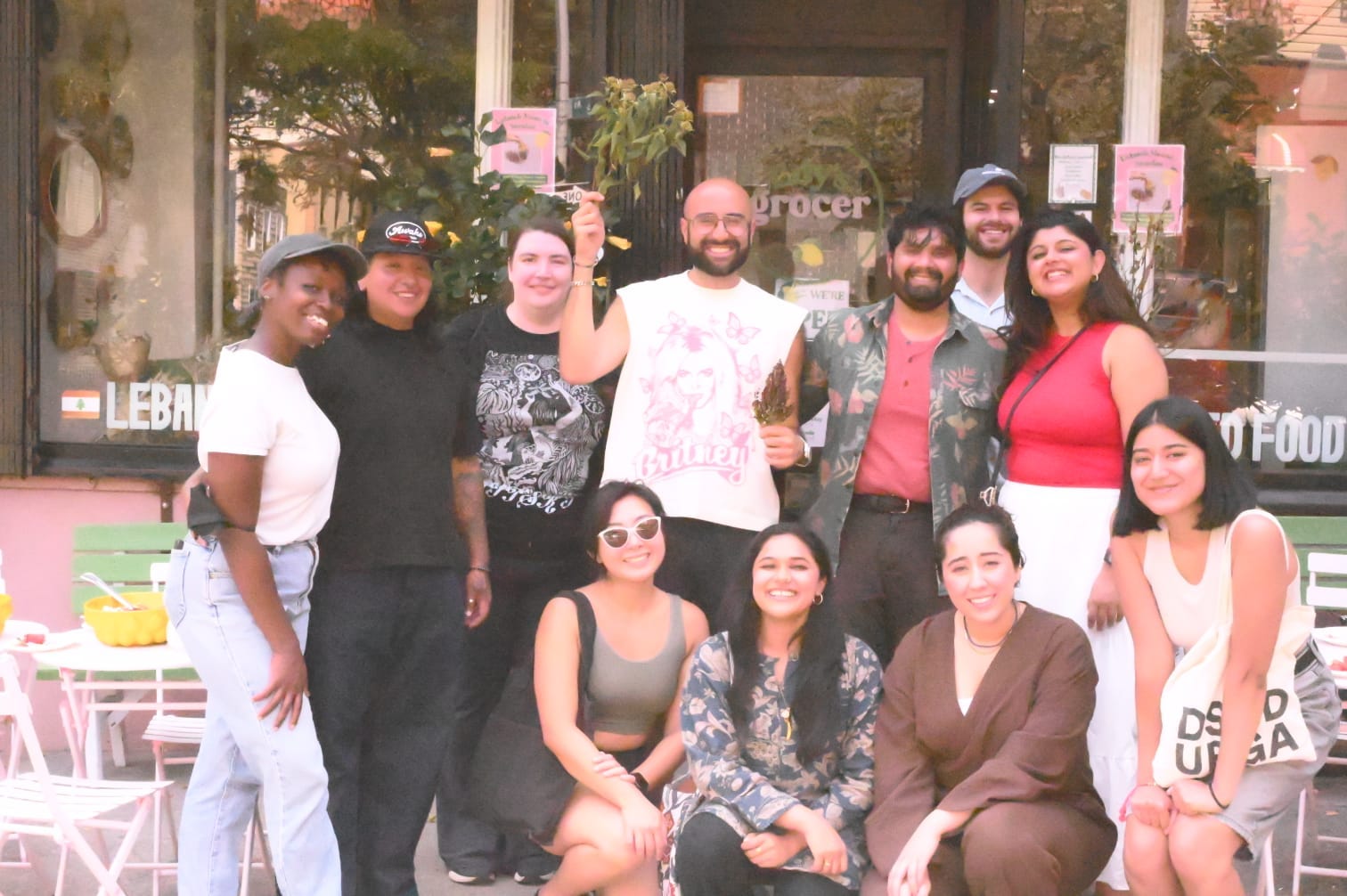


By: Umair Khakoo
Photos by: Ivana Cajina
One day, on my usual bike ride along Shoal Creek in Austin, Texas, I spotted a plant so familiar that I almost crashed into someone while trying to focus on it. I skidded to a stop, pulled out my phone, and snapped a picture for iNaturalist, an app for community science. With half-inch-long oval-shaped red berries, zig-zagging branches, and bright green ovate leaves, could it be? Wild chile pequin? Impossible.
I plucked one off the bush and gave it a cautious sniff. It smelled fiery. I popped it into my mouth. Within seconds, my tongue was ablaze—I had, without a doubt, found wild chiles growing on the side of the road. Turns out, chile pequin grows wild from Mexico all the way into central Texas.
Chiles originated in the Americas, domesticated by indigenous peoples in Mexico thousands of years ago before being carried across the world, where they became an integral part of Asian cuisine. They added to the heat from black pepper and ginger while their red hue also changed the color of our food. What I had found was their ancestor: the wild chile pequin. Once I found it, I started seeing it everywhere—on trails, outside restaurants, in gardens, and next to the hot concrete roadsides. I dried them, crushed them, and used them in a tadka for dal, where they brought an intense, searing heat without the smokiness of their domesticated cousins.
That day on the bike path changed how I saw the land around me. If this chile, so tied to my Pakistani heritage, was growing wild in Texas, what else was out there? What other spices could I forage that might connect me to my ancestors?
***
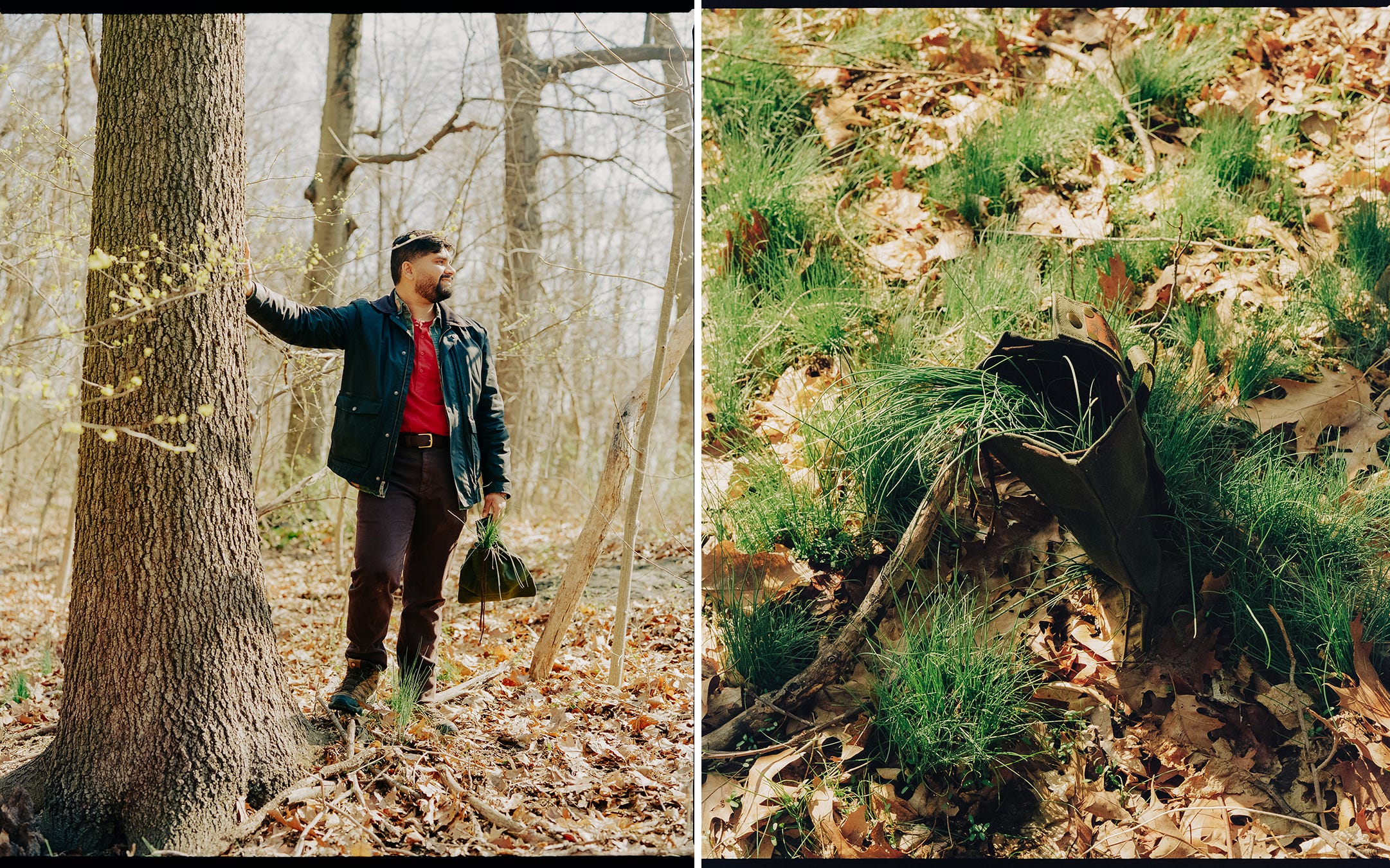
Image credit: Ivana Cajina
I started foraging after I graduated from college, during a trip to Seattle with my friend Cary. We were hiking up Lake 22 in the middle of August, and the rainforest trails were bursting with salmonberries, thimbleberries, blackberries, and even huckleberries. Something deep inside me stirred as I picked and ate them straight from the bush, like I had found a part of myself I didn’t know was missing.
At first, I was mostly drawn to fruit. Texas had its own bounty: wild persimmons, loquats, maypops. Finding mulberries in the summer and pomegranates in the winter along local trails transported me back to Pakistan, where we waited eagerly for them to come into season. It reminded me of the sheer joy of eating fruit at peak ripeness, its flavors unaltered by industrial farming and long-haul transport.
That feeling of unexpected familiarity—the way a fruit, then, later, spice on a bike path, could pull me back to a distant place—hit me again with another flavor that is deeply personal to me: curry leaves.
I could not believe the unmistakable taste of curry leaves when I bit into a bright red spiceberry while hiking in Cold Spring, New York. I had read that spiceberries were related to allspice, but the moment I tasted one, I was back in my grandparents’ garden in Karachi. I could see myself running outside to pick fresh leaves with my grandfather. I could hear the sizzle as my grandmother tossed them into hot oil, releasing that warm, heady aroma that, to me, could only belong to the curry leaf.
How wild is it that an unrelated berry from New York could elicit that memory?
***
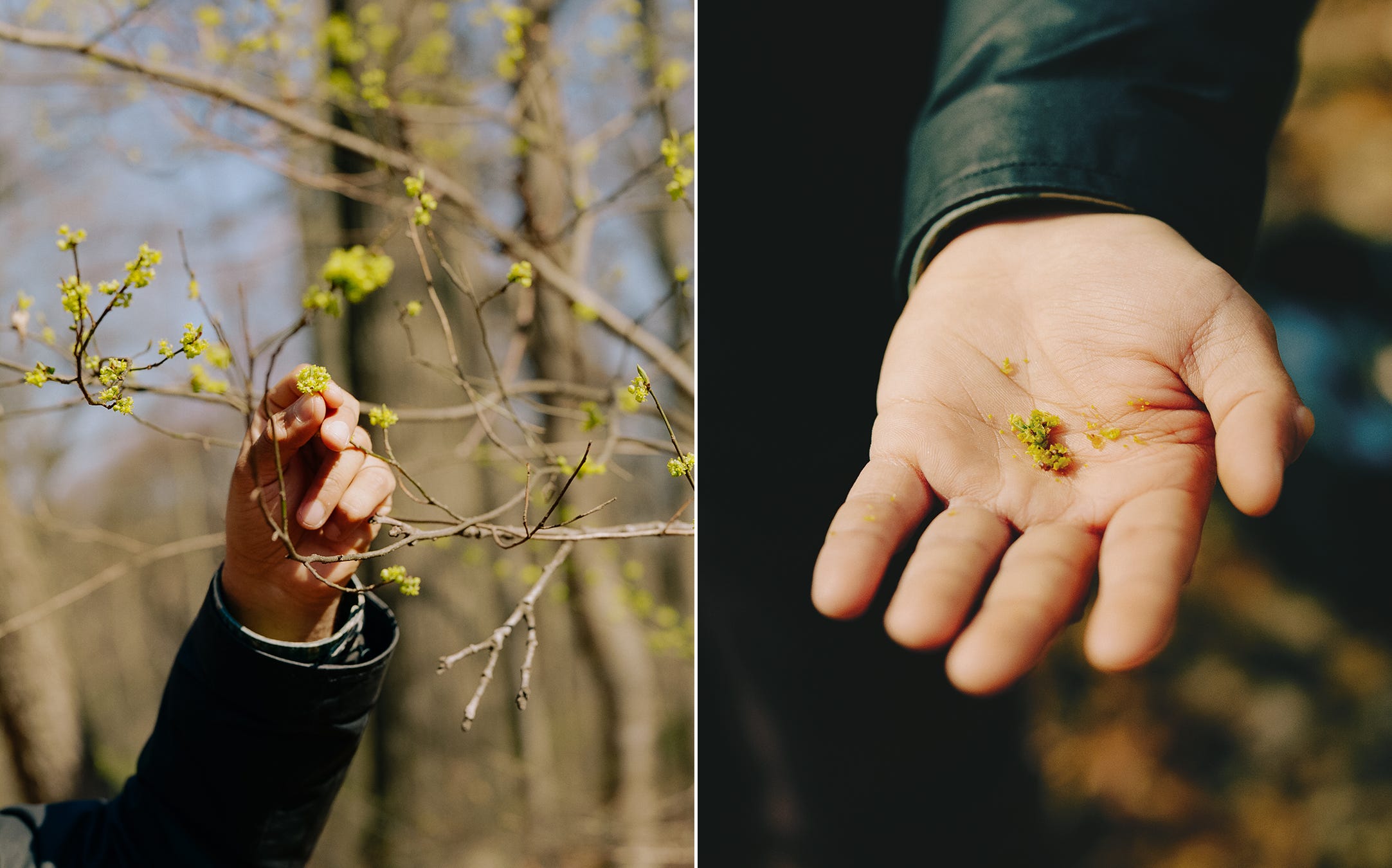
Image credit: Ivana Cajina
What we call spices—typically dried fruits, seeds, and bark—are the result of plants producing chemicals to protect themselves. Across cultures, humans have repeatedly discovered how to use these compounds not just for survival, but to heal themselves and flavor food.
The chile pequin I spotted in Austin was used among the Kickapoo people in Mexico as both a culinary staple and a medicine, ground into a paste for topical pain relief. The spicebush I stumbled across in Cold Spring connects to North American indigenous tribes, who steeped its twigs and leaves in hot water to treat coughs and colds, while its berries flavored game meats. Juniper berries, along with the needles found across North America, were similarly revered—used by the Wabanaki Nations to treat a variety of ailments.
These deep relationships with native spices were fractured by European colonization, yet indigenous knowledge persists. The descendants of those displaced communities are still here, continuing these traditions despite centuries of disruption. As members of the diaspora, we have an opportunity—not just to reconnect with the land, but also to learn from and respect the practices of those who have always stewarded it.
And we have this opportunity even if the bounty around us differs from that of our ancestors. Many native North American spices have close relatives used worldwide. Prickly ash, for example, shares its numbing, citrusy punch with Sichuan peppercorn and could be used in dishes that highlight just the má (numbing) sensation. North American sumac—a spice that indigenous peoples foraged for its berries, to brew into tart beverages, and to smoke its leaves—is nearly identical to the varieties found in the Levant and western Asia, can be used just as easily in kebabs, musakhan, and other spice-forward dishes.
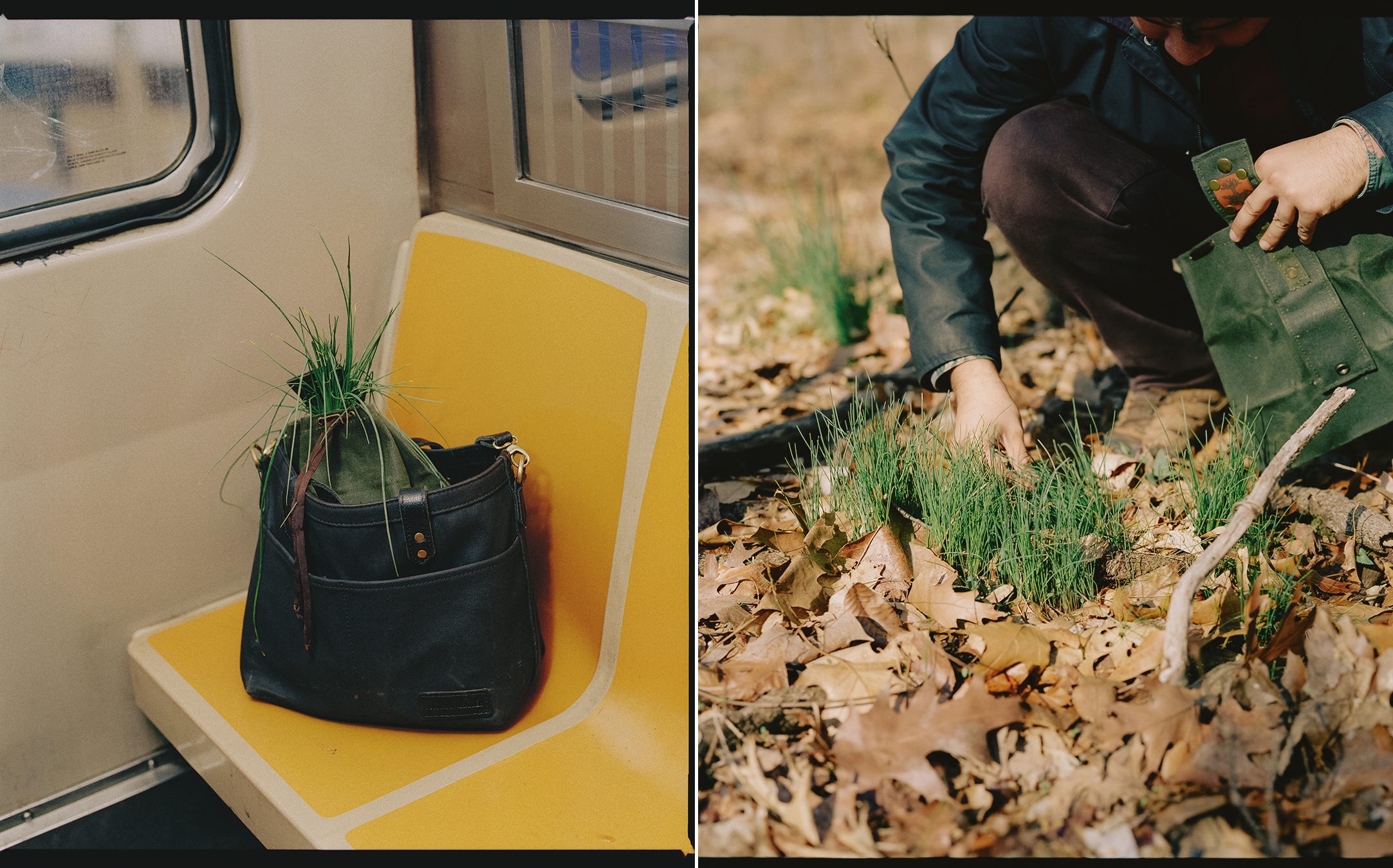
Image credit: Ivana Cajina
I once made musakhan for a Palestinian dinner party using smooth sumac I had foraged in NYC. As we ate, the conversation turned to history—how both Palestinians and Native Americans have endured genocide, displacement, and the loss of access to their ancestral lands, including the land where sumac once grew freely.
By using foraged sumac in a traditional Palestinian dish, I wasn’t just adapting to a new land—I was actively reclaiming a food tradition, just as so many diasporic cooks have done for generations.
Diasporic communities have always relied on substitutions when the exact ingredients from home were unavailable. What if, instead of searching only grocery stores for familiar flavors, we also looked to the land itself? It offers so many possibilities for future substitutions!
Foraging offers something deeper than sustenance. It’s an act of reclamation, particularly for those who forgot or had to let go of ancestral practices. It’s a way to defy the loss that comes with migration and embrace the constant evolution that comes with it instead.
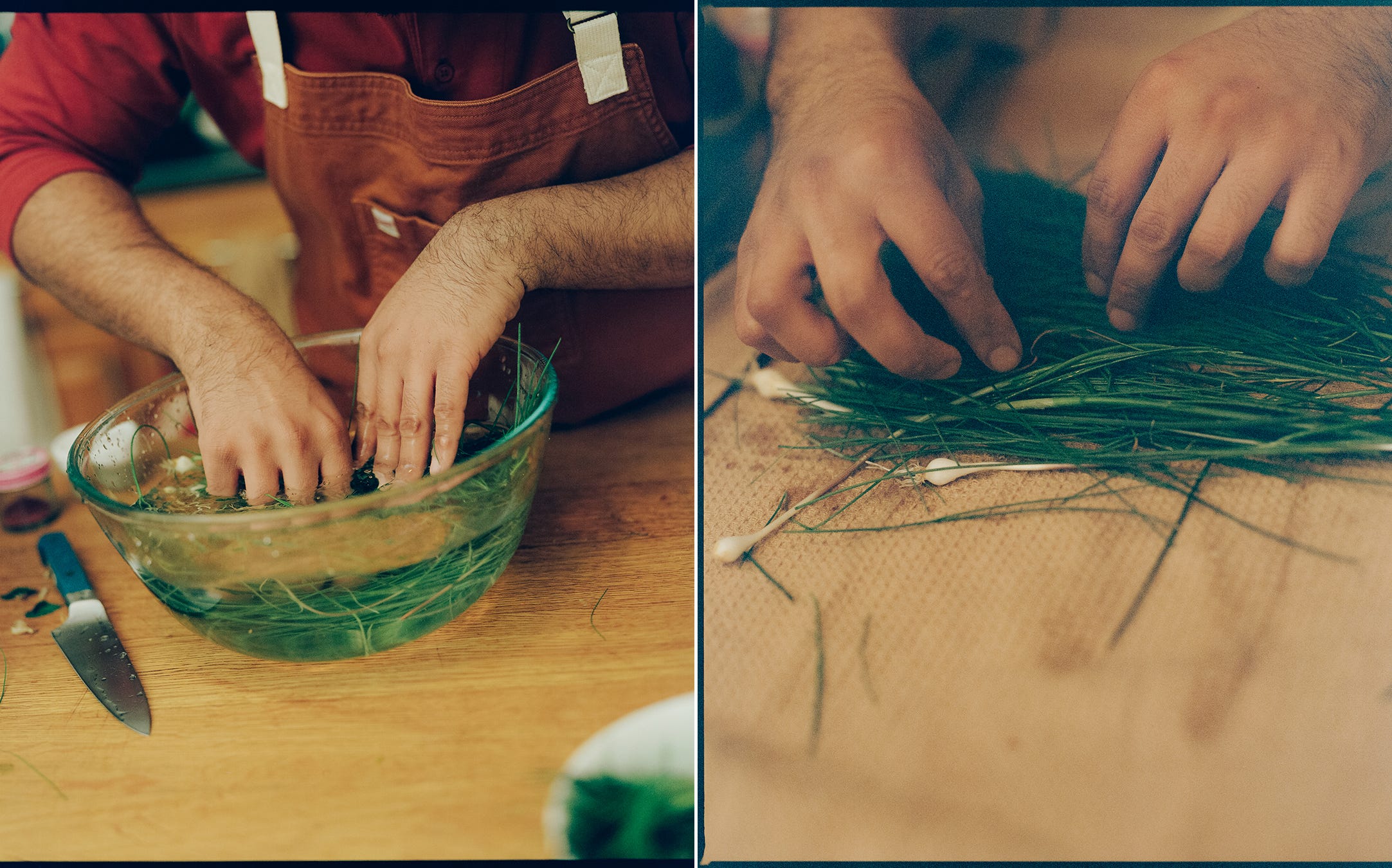
Image credit: Ivana Cajina
A North American Forager’s Spice Blend
Yield: ⅓ cup
This spice blend is more than just a seasoning—it’s a way of weaving together different histories and landscapes. The tartness of sumac, the numbing heat of Sichuan peppercorns, the smokiness of mesquite, and the warmth of allspice and curry leaves all come together in something entirely new yet deeply familiar. Instead of foraging for these wild spices, you can use commonly available spices found online or at your local grocery store. Note that the first few spices in the blend are whole rather than ground: Whole spices have maximum freshness.
1 juniper berry – piney, slightly floral aroma (store-bought juniper is very potent, so one berry is enough!)
1 Tbsp. whole chile pequin (or any dried red chile) – heat and smokiness
1 Tbsp. whole green Sichuan peppercorns – numbing, citrusy zing
½ Tbsp. whole allspice + 5 fresh curry leaves – warm, fragrant, subtly sweet
2 Tbsp. ground sumac – tart, citrusy brightness
1 Tbsp. dried ramps – a garlicky, herbal note
1 Tbsp. mesquite-smoked salt – deep, woodsy smokiness
Instructions:
Toast whole spices (juniper berry, chile pequin, Sichuan peppercorns, allspice) in a dry pan over low heat for 1-2 minutes until fragrant.
Add fresh curry leaves to the pan and toast until crisp and aromatic, 30 seconds to 1 minute.
Grind the toasted spices and curry leaves using a spice grinder or mortar and pestle until they reach a coarse texture.
Mix in the sumac, dried ramps, and mesquite-smoked salt (these do not need to be toasted).
Store in an airtight jar for up to 3 months.
How to Use It:
Rub onto grilled meats like venison, bison, lamb, or duck.
Sprinkle over roasted root vegetables, squash, or potatoes.
Stir into stews for a deep, earthy spice kick.
Blend with olive oil and lemon juice for a smoky, tangy marinade.
Perhaps home isn’t just a place on a map. Perhaps it’s something we can create—one foraged spice, one shared meal, at a time.
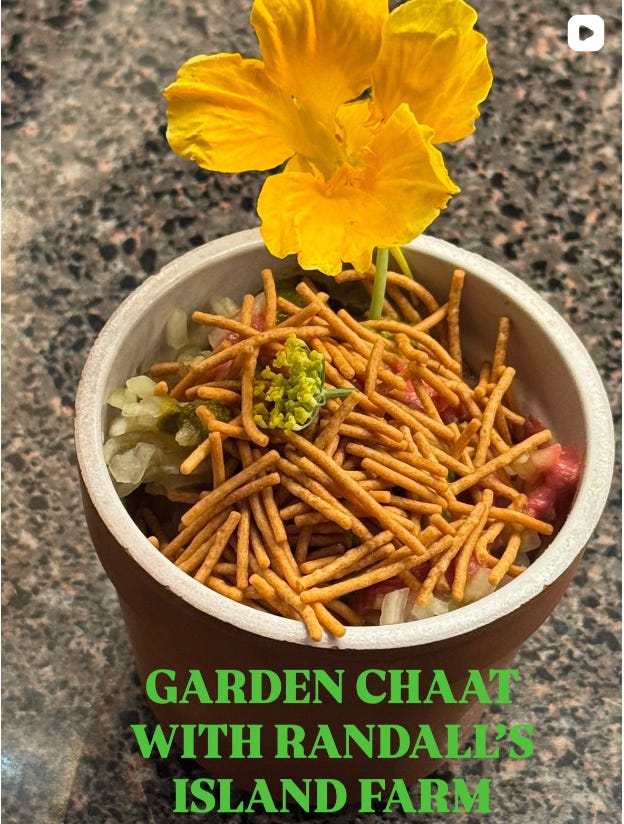
Check out Umair’s recent post making Garden Chaat using the wild onion ghee here.